
Log In
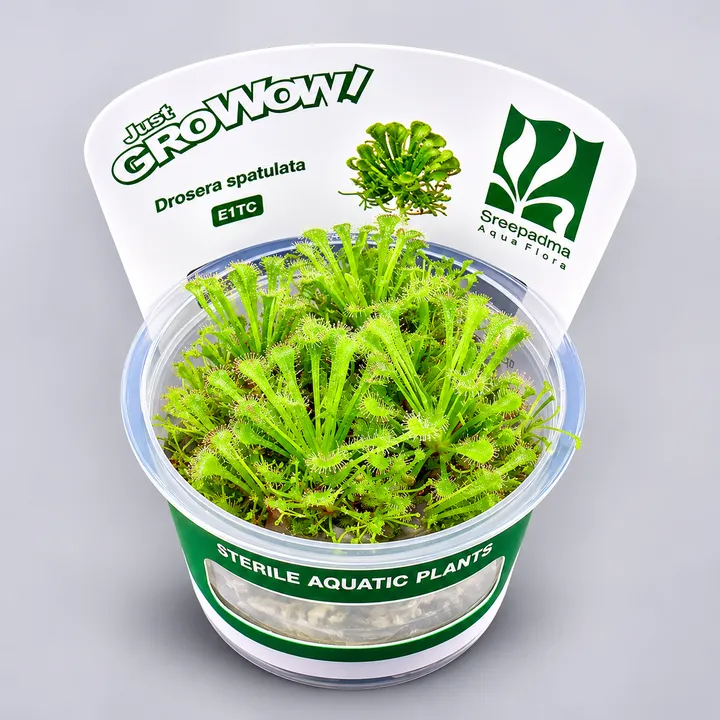
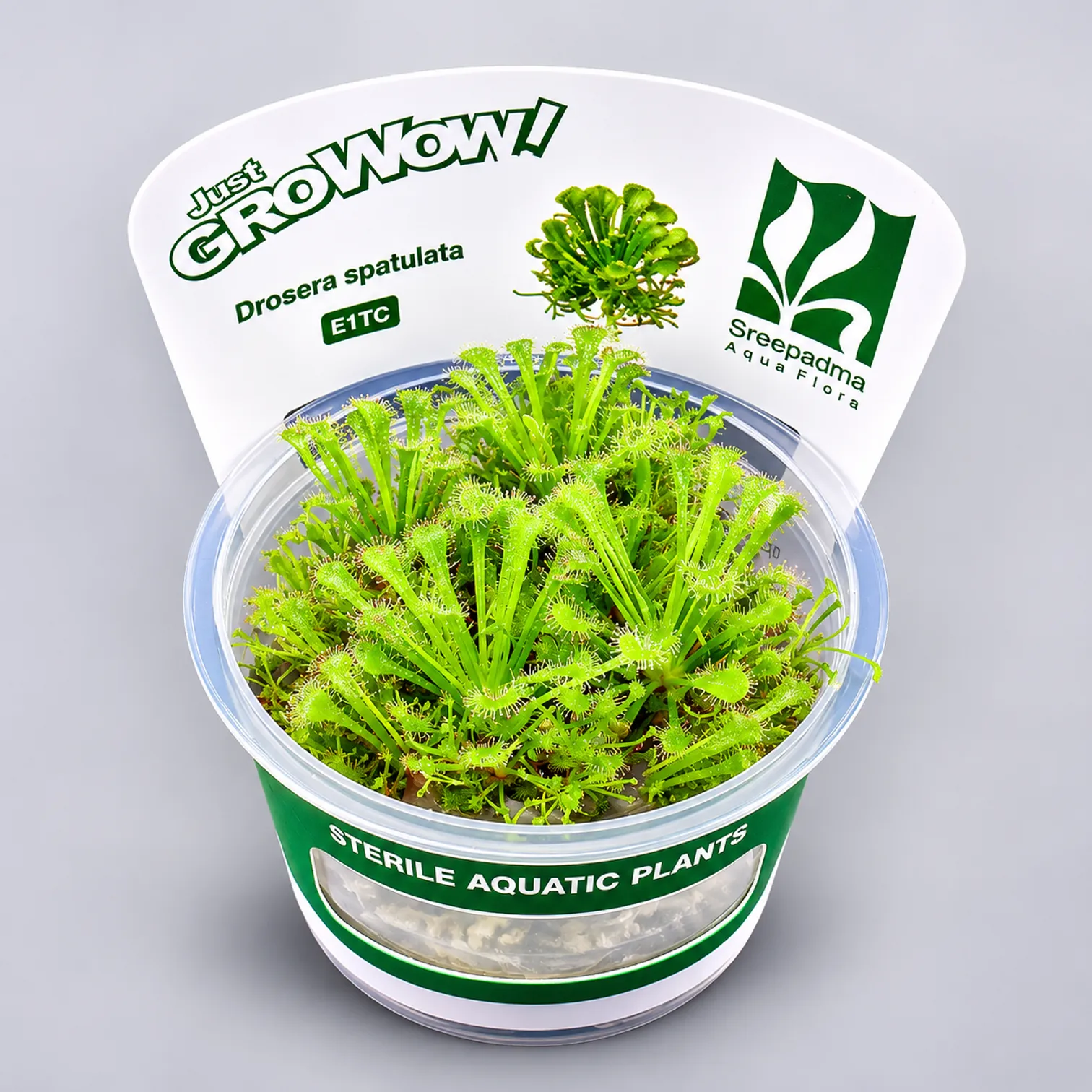
Drosera spatulata
Secure Checkout
Free Shipping*
Expert Support
Quality Guaranteed
7-Day Easy Returns. View Policy
Product Details
Description
Drosera Spatulata Tissue Culture Cup – Premium Carnivorous Sundew Plant for Terrarium & Paludarium | Sreepadma Just GrowWow
Product Description
Bring the fascinating world of carnivorous plants into your indoor botanical collection with Drosera Spatulata Tissue Culture Cup, a premium live sundew plant admired for its beautiful spoon-shaped leaves, sparkling insect-catching tentacles, compact rosette growth, and attractive green-to-reddish coloration.
Buy Drosera Spatulata Tissue Culture Cup Online in India at Aquatik Angels – Your Trusted Online Aquarium, Terrarium & Aquascaping Store in India and Chennai.
Drosera spatulata, commonly known as the Spoon-Leaved Sundew, is a fascinating carnivorous plant belonging to the Droseraceae family. This widespread species occurs naturally across parts of Asia and the Pacific, including Australia, New Zealand, and East Asia.
Unlike conventional ornamental plants, Drosera Spatulata develops small, spoon-shaped leaves covered with specialized glandular tentacles that produce glistening droplets of sticky mucilage.
These sparkling droplets help the plant trap and digest tiny insects, allowing it to absorb additional nutrients in environments where soil nutrients are naturally limited.
Its delicate insect-catching leaves and attractive compact growth make Drosera Spatulata an excellent choice for carnivorous plant terrariums, tropical bog gardens, sundew collections, specialist botanical displays, and suitably designed paludariums.
Supplied in a Sreepadma Just GrowWow sterile tissue culture cup, Drosera Spatulata is laboratory-propagated under controlled conditions, helping reduce the risk of introducing unwanted pests and plant hitchhikers.
Drosera Spatulata is best suited for terrestrial planting in carnivorous plant terrariums or nutrient-poor bog planters, where its roots remain consistently moist while its leaves and central growing point stay above the waterline.
In paludariums, it can be grown in a dedicated above-water planting zone that is isolated from conventional aquarium fertilizers and mineral-rich water.
Under suitable bright lighting, some Drosera Spatulata plants develop attractive red or pinkish tentacles and reddish foliage, creating beautiful contrast with their green leaves.
Unlike conventional aquarium plants, Drosera Spatulata requires nutrient-poor growing media and low-mineral water. Distilled water, reverse-osmosis (RO) water, or clean low-mineral rainwater is recommended for successful cultivation.
Its small size, beautiful sticky foliage, and fascinating feeding mechanism make it a rewarding choice for beginners willing to provide suitable carnivorous plant care and experienced sundew collectors.
Important: Drosera Spatulata is a terrestrial carnivorous plant, not a submerged freshwater aquarium plant. Despite being supplied in packaging marked "Sterile Aquatic Plants," it must not be grown fully underwater.
Key Features & Benefits
-
Natural Carnivorous Plant: Captures small insects using specialized sticky glandular tentacles.
-
Beautiful Spoon-Shaped Leaves: Produces attractive leaves with rounded tips and narrow stalks.
-
Sparkling Insect-Catching Tentacles: Glistening mucilage droplets create a distinctive ornamental appearance.
-
Premium Tissue Culture Quality: Laboratory-grown plantlets with reduced risk of unwanted pests and hitchhikers.
-
Compact Rosette Growth: Forms attractive miniature leaf clusters suitable for small botanical displays.
-
Attractive Green & Red Coloration: Some plants develop reddish or pinkish tentacles under suitable lighting.
-
Ideal for Carnivorous Terrariums: Suitable for humid, appropriately ventilated botanical enclosures.
-
Paludarium Compatible: Can grow in isolated above-water planting zones with suitable mineral-poor water.
-
Perfect for Tropical Bog Gardens: Thrives in consistently moist, nutrient-poor carnivorous plant growing media.
-
Natural Insect-Catching Ability: May capture small flies, fungus gnats, and other tiny insects.
-
Bright-Light Responsive: Appropriate lighting encourages compact growth and healthy sticky foliage.
-
No Aquarium CO₂ Required: Does not require pressurized CO₂ injection.
-
Low-Nutrient Growing Requirement: Thrives in unfertilized sphagnum moss or suitable carnivorous plant substrates.
-
Easy Vegetative Propagation: Can be propagated through suitable leaf cuttings and other methods.
-
Miniature Botanical Appeal: Adds beautiful natural detail to compact plant collections.
-
Specialist Terrarium Appearance: Creates fascinating foliage textures and ornamental character.
Ideal Applications
Drosera Spatulata Tissue Culture Cup is suitable for:
-
Carnivorous plant terrariums
-
Sundew plant collections
-
Tropical bog gardens
-
Nutrient-poor indoor bog planters
-
Humid botanical terrariums
-
Specialist carnivorous plant displays
-
Paludarium above-water planting zones
-
Decorative glass plant enclosures with appropriate ventilation
-
Compact carnivorous plant arrangements
-
Carnivorous plant propagation projects
-
Suitable indoor greenhouse environments
-
Educational botanical displays
Not Suitable For: Fully submerged freshwater aquariums, marine aquariums, conventional planted aquarium aquasoil, fertilized potting soil, or dry terrariums.
Plant Care & Growth Requirements
| Parameter | Recommended Conditions |
|---|---|
| Product Name | Drosera Spatulata |
| Botanical Name | Drosera spatulata |
| Common Name | Spoon-Leaved Sundew |
| Brand | Sreepadma Just GrowWow |
| Product Code | E1TC |
| Plant Family | Droseraceae |
| Plant Type | Terrestrial Carnivorous Sundew |
| Packaging | Sterile Tissue Culture Cup |
| Growth Habit | Compact Basal Rosette |
| Growth Rate | Slow to Moderate |
| Temperature | Approximately 18–28°C |
| Humidity | Moderate to High; Higher During Tissue Culture Acclimatization |
| Exact Suitable Placement | Carnivorous Terrarium / Terrestrial Bog Planter |
| Alternative Placement | Isolated Paludarium Above-Water Zone |
| Light Requirement | Bright Light / Gentle Direct Sunlight |
| CO₂ Supplementation | Not Required |
| Care Level | Easy to Moderate |
| Plant Colour | Green / Red / Pinkish Tentacles |
| Leaf Appearance | Spoon-Shaped / Rounded Tips / Sticky Tentacles |
| Approximate Mature Rosette Diameter | Commonly 2–5 cm; Variable by Form |
| Growing Medium | Unfertilized Sphagnum Moss / Carnivorous Peat–Perlite Mix |
| Water Requirement | Distilled Water / RO Water / Clean Low-Mineral Rainwater |
| Fertilization | Conventional Fertilizers Not Recommended |
| Feeding | Naturally Captures Small Insects |
| Propagation | Seeds / Leaf Cuttings / Division Where Applicable |
| Fully Submerged Growth | Not Suitable |
| Emersed Growth | Suitable |
| Aquarium Compatibility | Separate Above-Water Planting Zone Only |
Exact Suitable Placement in a Terrarium or Paludarium
Primary Placement: Carnivorous Terrarium or Terrestrial Bog Planter
Drosera Spatulata should be positioned in a consistently moist terrestrial planting area, where its roots can access low-mineral moisture while its leaves remain fully exposed to air and light.
Its compact rosette structure makes it particularly suitable for small carnivorous plant planters and specialist terrarium displays.
Recommended Terrarium Placement
-
Position Drosera Spatulata in a bright planting area with suitable ventilation.
-
Use unfertilized sphagnum moss or an appropriate peat-and-perlite medium.
-
Keep the growing medium consistently moist using low-mineral water.
-
Provide bright artificial grow lighting or suitable gentle sunlight.
-
Maintain higher humidity during initial tissue culture acclimatization.
-
Avoid enclosed environments that become excessively hot.
-
Allow sufficient space around individual rosettes for healthy foliage development.
-
Keep the plant away from conventional fertilizers and mineral-rich water.
Alternative Placement: Paludarium Above-Water Zone
Drosera Spatulata can also be cultivated in a dedicated terrestrial planting section of a paludarium.
The planting zone should be physically separated from conventional aquarium aquasoil and fertilizer-rich water.
-
Position the plant on an elevated bog shelf or isolated planting pocket.
-
Keep leaves and the central growing point above the waterline.
-
Use nutrient-poor carnivorous plant growing media.
-
Supply distilled, RO, or suitable low-mineral water.
-
Ensure adequate lighting reaches the leaves.
-
Avoid direct contact with mineral-rich aquarium water.
-
Maintain airflow to reduce stagnant humidity and fungal problems.
Paludarium Design Tip: Create a dedicated miniature bog planter using unfertilized sphagnum moss and decorative natural rocks. Position Drosera Spatulata where its sparkling leaves receive bright light without excessive heat.
Important: Drosera Spatulata is not a foreground, midground, or background aquatic plant. It belongs in terrestrial carnivorous plant displays rather than submerged aquarium planting categories.
How to Plant Drosera Spatulata Tissue Culture
-
Carefully open the Sreepadma Just GrowWow tissue culture cup.
-
Gently remove the Drosera Spatulata plantlets without damaging their delicate roots.
-
Thoroughly rinse away the tissue culture nutrient gel using distilled or RO water.
-
Carefully separate plantlets where practical.
-
Prepare a clean, nutrient-poor carnivorous plant growing medium.
-
Moisten the medium thoroughly using suitable low-mineral water.
-
Create small planting holes for the delicate roots.
-
Position the roots into the medium while keeping the crown and leaves exposed.
-
Maintain high humidity during the initial acclimatization period.
-
Provide bright lighting and gradually increase ventilation as healthy new growth develops.
Planting Tip: Avoid burying the central rosette or pressing the sticky leaves into the substrate. Keep the roots securely planted while allowing the leaves to spread naturally above the growing medium.
Lighting, Water & Humidity Requirements
Lighting Requirements
Drosera Spatulata performs best under bright lighting, which supports compact rosette development and healthy production of sticky tentacles.
Depending on the plant's form, stronger suitable lighting may encourage reddish or pinkish coloration.
Indoor LED grow lights can provide consistent illumination, while gentle direct morning sunlight may also be suitable for established plants.
Avoid exposing newly transferred tissue culture plants to harsh midday sunlight without gradual acclimatization.
Important: Excessively intense sunlight inside enclosed glass terrariums can cause overheating and leaf damage.
Water Requirements
Water quality is essential for maintaining healthy Drosera Spatulata plants.
Recommended water sources include:
-
Distilled water
-
Reverse-osmosis (RO) water
-
Clean, uncontaminated low-mineral rainwater
Avoid hard tap water, mineral-rich bottled water, and water containing conventional aquarium fertilizers.
Drosera Spatulata naturally grows in environments with limited soil nutrients and can be sensitive to dissolved mineral accumulation.
Keep the growing medium consistently moist and avoid allowing it to become completely dry.
Humidity Requirements
Drosera Spatulata can grow under moderate-to-high humidity when provided with suitable moisture and lighting.
Newly introduced tissue culture plants benefit from elevated humidity during initial acclimatization.
Once established, many forms can adapt to less humid environments when moisture remains consistent.
Adequate ventilation is important, particularly in enclosed terrariums, to reduce fungal problems.
Temperature Requirements
A temperature of approximately 18–28°C is a suitable general cultivation target, although tolerance varies by plant form.
Avoid extreme heat, sudden temperature fluctuations, and prolonged exposure to cold conditions.
In warm climates such as Chennai, protect enclosed plant displays from overheating in direct sunlight.
Growing Medium
Drosera Spatulata requires a nutrient-poor, acidic carnivorous plant substrate.
Suitable growing media include:
-
Unfertilized long-fiber sphagnum moss
-
Unfertilized sphagnum peat moss
-
Peat moss mixed with horticultural perlite without fertilizer additives
-
Other suitable mineral-poor carnivorous plant substrates
Avoid ordinary garden soil, compost, conventional potting mixtures, manure, and nutrient-rich aquarium aquasoil.
Fertilization Requirements
Conventional soil fertilizers and aquarium root fertilizer tablets should not be applied to Drosera Spatulata.
The plant obtains additional nutrients by capturing small insects.
Excessive fertilizer and dissolved minerals can damage its sensitive growing environment.
How Drosera Spatulata Captures Insects
Drosera Spatulata has developed specialized leaves adapted for capturing tiny insects.
Each leaf contains numerous glandular tentacles that produce glistening droplets of sticky mucilage.
These droplets help trap small insects that land on or touch the leaf surface.
Once an insect becomes trapped, the plant releases digestive enzymes that help break down its prey.
The absorbed nutrients supplement the plant's growth in nutrient-poor environments.
Natural Feeding Behaviour
-
Sticky tentacles help capture tiny insects.
-
Small flies and fungus gnats are among the insects that may become trapped.
-
Digestive enzymes help break down captured prey.
-
Nutrients are absorbed through specialized glands.
-
Healthy plants generally do not require regular manual feeding.
Important: Drosera Spatulata is not a guaranteed solution for controlling indoor insect infestations.
Avoid feeding meat, large insects, or inappropriate food materials.
Tissue Culture Plant Acclimatization
Drosera Spatulata tissue culture plants are cultivated under controlled laboratory conditions and may be sensitive when transferred into a new growing environment.
Proper acclimatization helps reduce plant stress and supports healthy new growth.
Recommended Acclimatization Process
-
Gently remove the tissue culture plantlets from their cup.
-
Thoroughly rinse away the nutrient gel using distilled or RO water.
-
Plant into a suitable moist carnivorous plant substrate.
-
Maintain high humidity using a suitable transparent enclosure.
-
Provide bright but initially gentle lighting.
-
Avoid sudden exposure to strong direct sunlight.
-
Keep the growing medium consistently moist.
-
Gradually increase ventilation over approximately one to three weeks, depending on plant response.
-
Remove damaged or decaying leaves when necessary.
-
Monitor new leaf development and the appearance of healthy sticky tentacles.
What to Expect During Acclimatization
Some older tissue culture leaves may temporarily lose sticky mucilage, become pale, or deteriorate.
Healthy new leaves may emerge as the plant adapts to its new environment.
The plant's leaf size and coloration may also change after acclimatization.
Important: Temporary loss of sticky dew does not necessarily indicate plant death. Healthy plants can resume normal tentacle and mucilage production once suitable growing conditions are established.
Colour Development in Drosera Spatulata
Drosera Spatulata is admired for its attractive green foliage and potential reddish or pinkish coloration.
Under appropriate conditions, glandular tentacles and portions of the leaves may develop red or pink tones.
Colour development depends on several factors.
Lighting: Suitable bright lighting may encourage stronger reddish pigmentation.
Plant Form: Different geographic forms and cultivated lines can display different coloration.
Water Quality: Suitable low-mineral water supports healthy growth.
Growing Medium: Nutrient-poor carnivorous plant substrates help maintain a suitable root environment.
Plant Maturity: Young tissue culture plantlets may initially appear greener than established plants.
Important Colour Note: Red coloration is not guaranteed. Drosera Spatulata may remain predominantly green or develop varying degrees of red depending on the plant's characteristics and growing conditions.
Important Usage Precautions
-
Thoroughly remove all tissue culture nutrient gel before planting.
-
Use distilled or RO water when rinsing delicate plantlets.
-
Handle roots and leaves carefully to prevent physical damage.
-
Do not plant Drosera Spatulata fully submerged in aquarium water.
-
Keep the central growing point and foliage above the waterline.
-
Use suitable nutrient-poor carnivorous plant growing media.
-
Avoid nutrient-rich aquarium aquasoil and conventional potting soil.
-
Do not apply standard aquarium fertilizers or root fertilizer tablets.
-
Avoid hard tap water and mineral-rich bottled water.
-
Maintain consistently moist growing conditions.
-
Provide suitable bright lighting.
-
Avoid sudden exposure to intense direct sunlight.
-
Maintain elevated humidity during tissue culture acclimatization.
-
Gradually increase ventilation as plants establish.
-
Avoid overheating inside enclosed glass terrariums.
-
Maintain appropriate air circulation to reduce fungal problems.
-
Avoid repeatedly touching sticky tentacles.
-
Do not force-feed meat or unsuitable food materials.
-
Remove damaged foliage when necessary.
-
Allow adequate time for healthy new leaf development.
-
Reddish foliage coloration may vary depending on growing conditions.
Why Choose Sreepadma Just GrowWow Tissue Culture Plants?
Sreepadma Just GrowWow Drosera Spatulata provides carnivorous plant enthusiasts with laboratory-propagated plantlets suitable for specialist terrarium and bog garden cultivation.
Tissue culture propagation helps reduce the risk of introducing unwanted pests and plant hitchhikers commonly associated with conventionally cultivated plants.
The plantlets can be carefully separated and grown in suitable carnivorous plant media.
Its compact rosette structure, sparkling insect-catching tentacles, and attractive foliage make Drosera Spatulata a fascinating addition to indoor botanical displays and specialist carnivorous plant collections.
Why Buy Drosera Spatulata from Aquatik Angels?
At Aquatik Angels, we specialize in premium tissue culture plants, carnivorous plants, tropical terrarium plants, paludarium supplies, freshwater aquarium plants, professional aquascaping equipment, and marine aquarium solutions.
Located in Nolambur, Mogappair, Chennai, Tamil Nadu, Aquatik Angels serves terrarium enthusiasts, carnivorous plant hobbyists, aquascapers, and botanical plant collectors across India.
Explore our collection of:
-
Premium tissue culture plants
-
Carnivorous sundew and tropical terrarium plants
-
Paludarium plants and accessories
-
Sphagnum moss and suitable carnivorous planting media
-
LED grow lights and botanical lighting systems
-
Misting systems and humidity-control accessories
-
RO water purification equipment
-
Decorative driftwood and natural rocks
-
Terrarium and paludarium installation accessories
-
Custom terrarium, paludarium, and aquarium setup services
We offer Pan-India Shipping to eligible serviceable locations, with Free Delivery on eligible orders. Live plant shipping availability depends on destination, weather conditions, courier serviceability, and suitable transportation requirements.
Buy Drosera Spatulata Tissue Culture Cup Online in India
Looking to buy Drosera Spatulata tissue culture plants online in Chennai, Bangalore, Hyderabad, Mumbai, Pune, Delhi, Kerala, or anywhere in India?
Shop Sreepadma Just GrowWow Drosera Spatulata Tissue Culture Cup at Aquatik Angels and create an attractive carnivorous plant display with beautiful miniature foliage and fascinating insect-catching characteristics.
Whether you are designing a carnivorous plant terrarium, establishing a miniature bog garden, or expanding your sundew collection, Drosera Spatulata adds beautiful natural textures and distinctive botanical character.
Shop Online: www.Aquatikangels.com
Store Location: Nolambur, Mogappair, Chennai, Tamil Nadu, India.
Aquatik Angels – A Touch of Nature Indoors.
Your Trusted Online Aquarium & Aquascaping Store in India and Chennai.
Best Online Aquarium Shopping in India and Chennai | Free Delivery on Eligible Orders | Pan-India Shipping.
Recommended Products
Drosera adelae
Drosera adelae
Drosera adelae
Customer Reviews


NO REVIEWS FOUND