
Log In
Tropical FishShrimps & Snails
ASSASIN SNAIL
Rs. 80Rs. 48
Secure Checkout
Free Shipping*
Expert Support
Quality Guaranteed
7-Day Easy Returns. View Policy
Product Details
Description
-
SizeThey can grow to be 0.7–1.25 in (18–32 mm) long, but are usually smaller in aquariums.
-
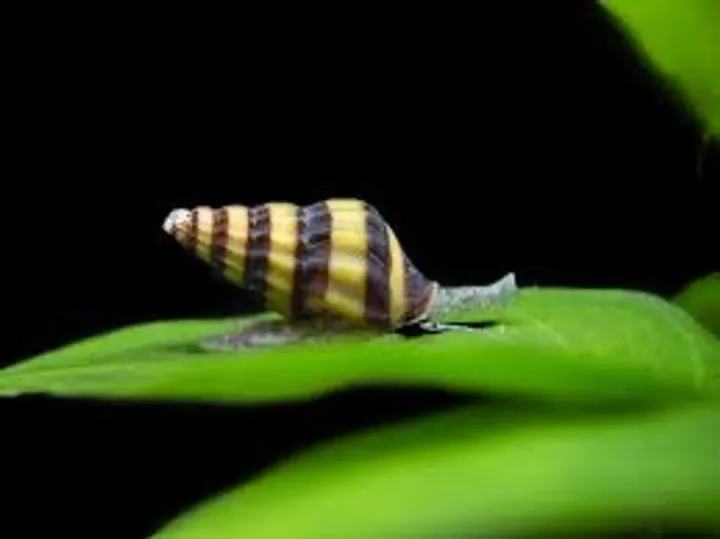
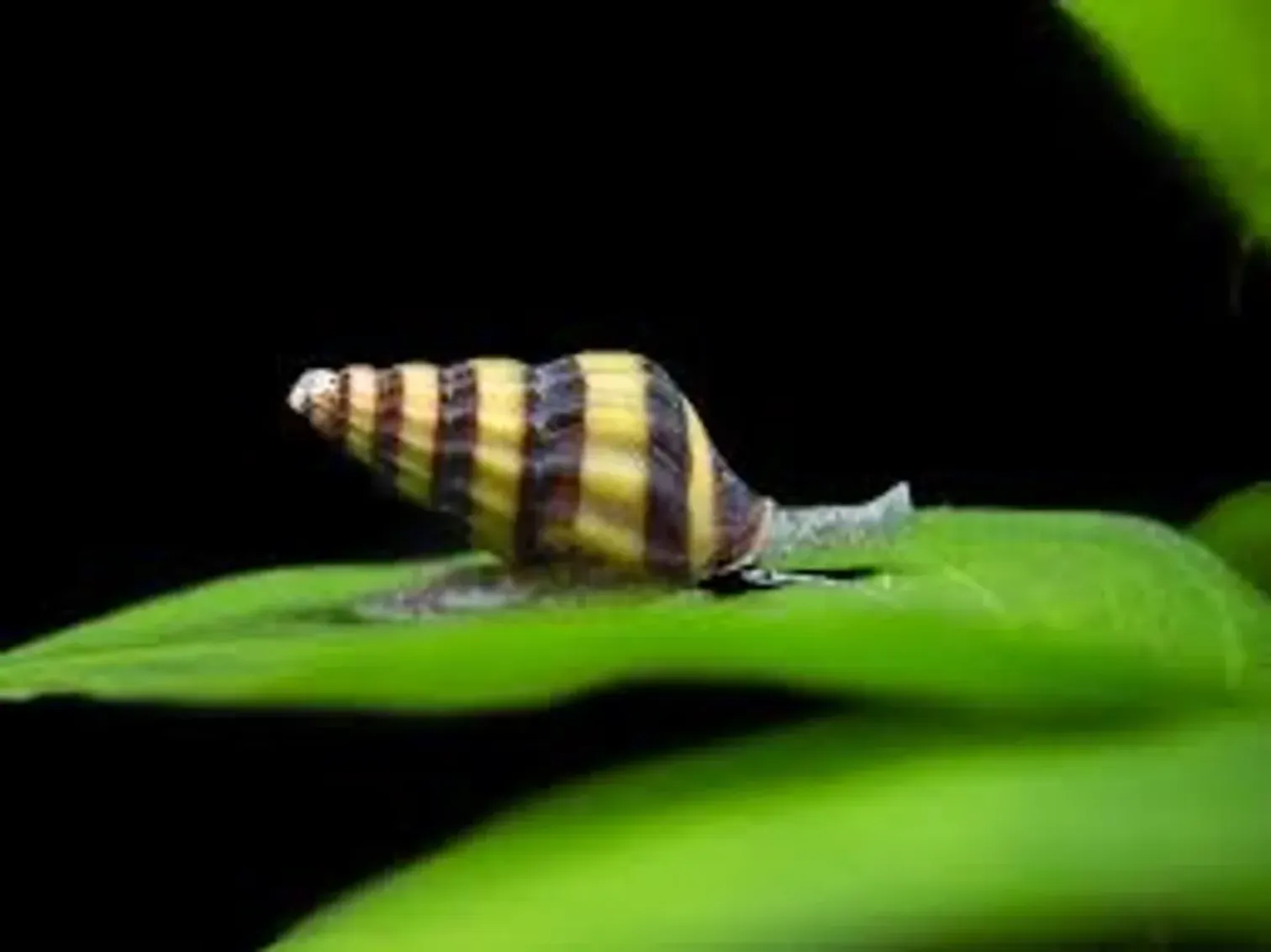
ShellTheir conical shell has a ribbed texture and dark brown and yellowish tan bands that resemble a bumblebee pattern.
-
BehaviorThey are active and roam in search of food. When resting, they bury themselves in sand or gravel with their siphon extended out of the ground. They use their siphon to detect food and breathe in fresh water.
-
DietThey eat worms, gastropods, carrion, and sometimes fish. In aquariums, they eat pest snails like pond snails and Malaysian trumpet snails.
-
ReproductionThey are separate sexes and lay clear, square egg capsules on solid surfaces, often at the base of plants.
-
CareThey require good water quality and a soft sand substrate. The recommended temperature range is 75–80°F and the pH is 6.5–8.0. A 30 gallon tank is recommended because snails produce a lot of waste.
-
TankmatesLarger ornamental snails are usually safe from assassin snails, but they will prey on small juveniles of such species. There are occasional reports of assassin snails attacking small shrimp, but in well fed specimens, this is not the norm.
Recommended Products
- 30%
GLODEN BRISTAL NOSE
Rs. 245Rs. 350
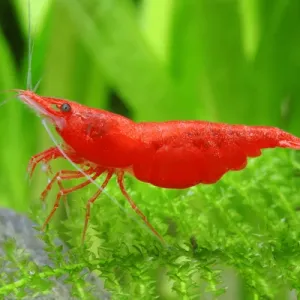
- 60%
RED SHRIMP
Rs. 74Rs. 185
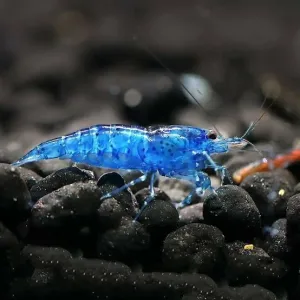
- 60%
BLUE SHRIMP
Rs. 74Rs. 185
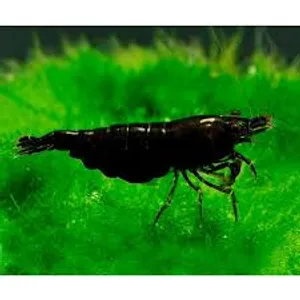
- 60%
BLACK SHRIMP
Rs. 74Rs. 185
- 60%
GREEN SHRIMP
Rs. 74Rs. 185
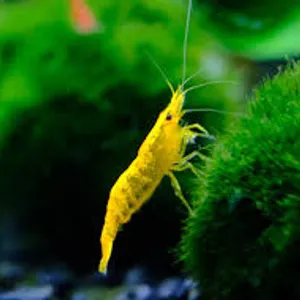
- 60%
YELLOW SHRIMP
Rs. 74Rs. 185
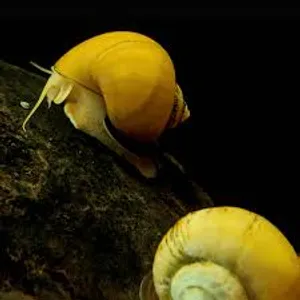
- 15%
APPLE SNAIL
Rs. 34Rs. 40
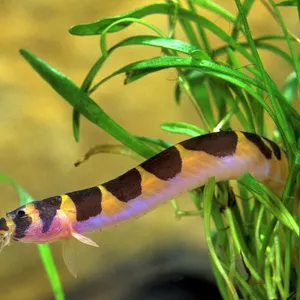
- 40%
KHULI LOACH
Rs. 120Rs. 200
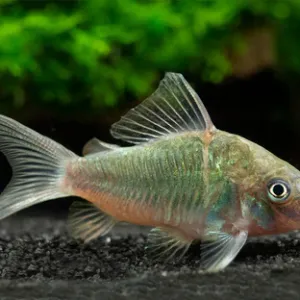
- 40%
GREEN CORRY
Rs. 108Rs. 180
- 30%
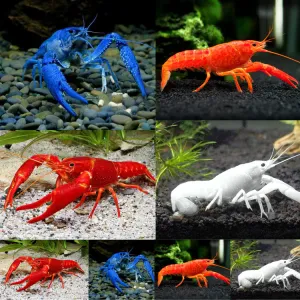
LOBSTER|CRAY FISH
Rs. 210Rs. 300
- 30%
GLODEN BRISTAL NOSE
Rs. 245Rs. 350
- 60%
RED SHRIMP
Rs. 74Rs. 185
Customer Reviews


0
0
0
0
0
0
0
0
0
0
NO REVIEWS FOUND